Case study
Google Secure AI Framework Strategy and Developer Experience
NDA-protected details. Learn more @saif.google
Why Secure AI Needed Usable Workflows
Secure AI could not stay as principles, policy, or documentation sitting outside the work. AI teams needed practical guidance that fit how they developed models, managed data, evaluated risk, and moved through research and launch decisions.
The challenge was mapping where security and privacy expectations should appear in real workflows—when teams needed background support, when they needed explicit tasks, and when high-risk work required a hard stop.
This mattered because emerging AI regulation, including the EU AI Act, was raising the stakes for evidence, lineage, human review, and audit readiness. In some regulatory contexts, AI-specific noncompliance could expose companies to statutory fines up to 7% of worldwide annual revenue, along with remediation, litigation, product delays, and other business risk.
Nobody needed another abstract framework sitting outside the work. The design challenge was turning secure-AI expectations into workflows that helped teams keep moving responsibly.
Before
Secure-AI expectations were difficult to apply consistently inside fast-moving AI development workflows.
After
Service blueprints, workflow checkpoints, and evidence patterns helped teams understand when to act, what to capture, and when review was required.
My Role in Translating Strategy into Practice
I worked with product, UX, program, research, and tech-writing partners to turn secure-AI strategy into clearer workflows, service blueprints, CUJs, research artifacts, and program guidance.
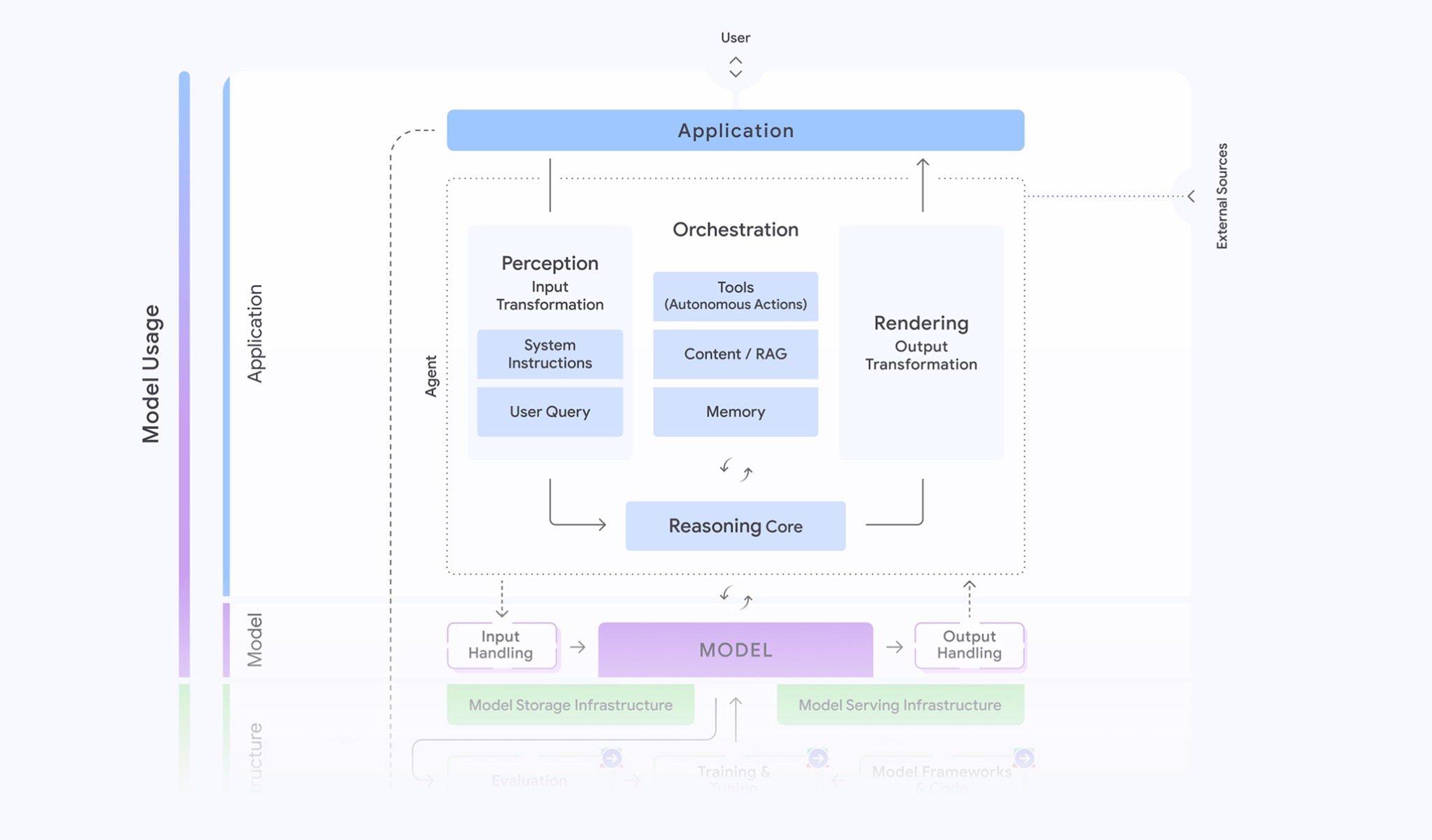
The complexity was connecting model research and development workflows, secure-agent guidance, internal developer systems, public storytelling, regulatory expectations, and roadmap priorities into artifacts teams could understand and use.
My work centered on four priorities:
- Mapping AI development workflows and identifying where security/privacy checkpoints mattered most
- Creating service blueprints, CUJ decks, diagrams, website assets, and storytelling artifacts with cross-functional partners
- Helping author research through desk research, stakeholder interviews, and user interviews led by my UX research partner
- Supporting public and internal SAIF guidance, including secure-agent visual storytelling and internal developer guidance for systems, frameworks, tools, and workflows
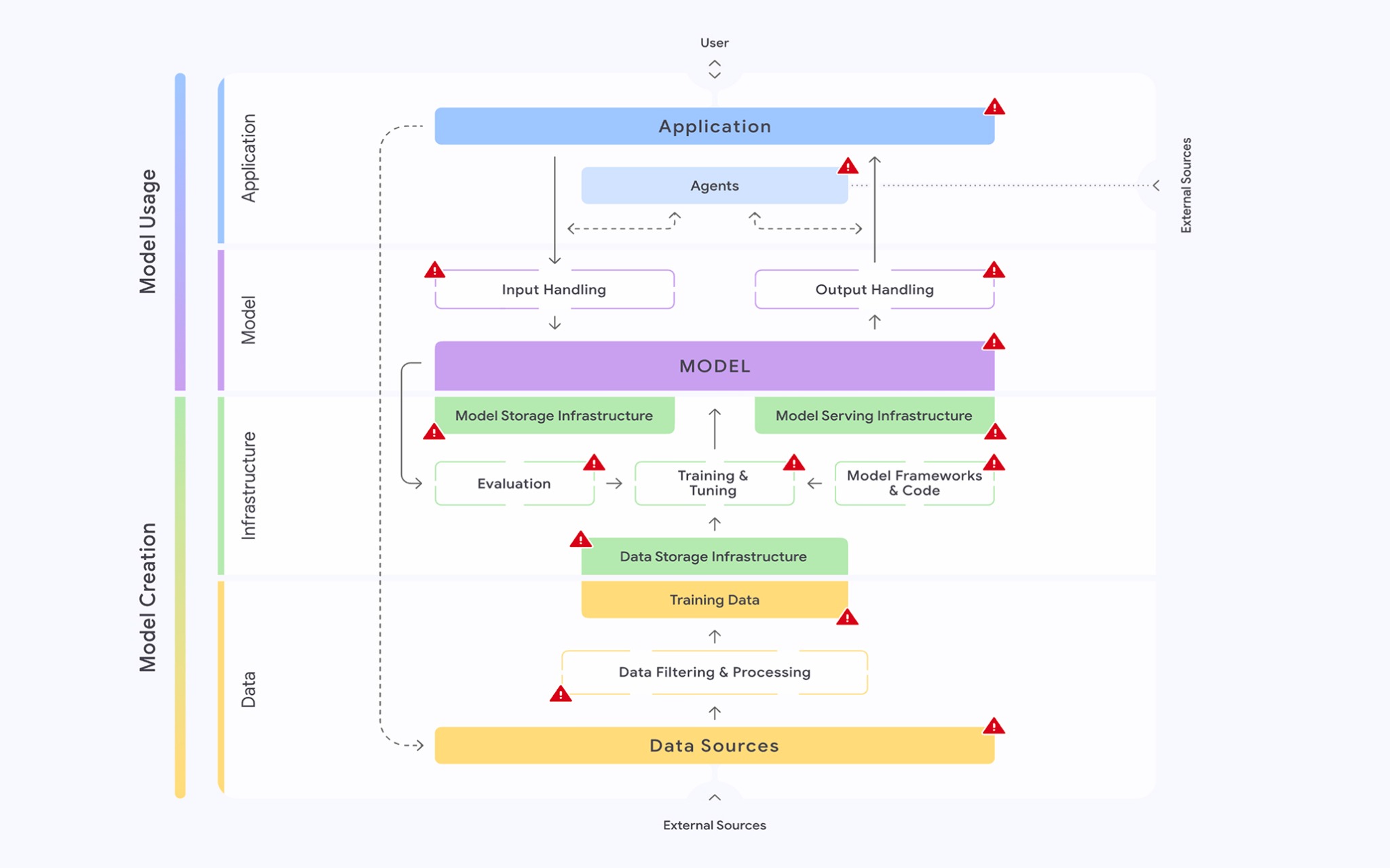
Mapping Security into the AI Development Lifecycle
In this case, AI development primarily meant model research and development workflows, with secondary application to emerging agent frameworks and agentic systems.
The work focused on where security and privacy expectations should appear across the lifecycle: where teams needed lightweight guidance, where evidence should be captured, where reviewers needed to be involved, and where gates or exceptions were required.
I helped create shared artifacts that made those moments easier for product, security, privacy, research, and program teams to evaluate together.
The goal was not to make every checkpoint equally heavy. It was to help teams understand what mattered, when it mattered, and how to keep responsible development moving.
Designing Risk-Calibrated Friction
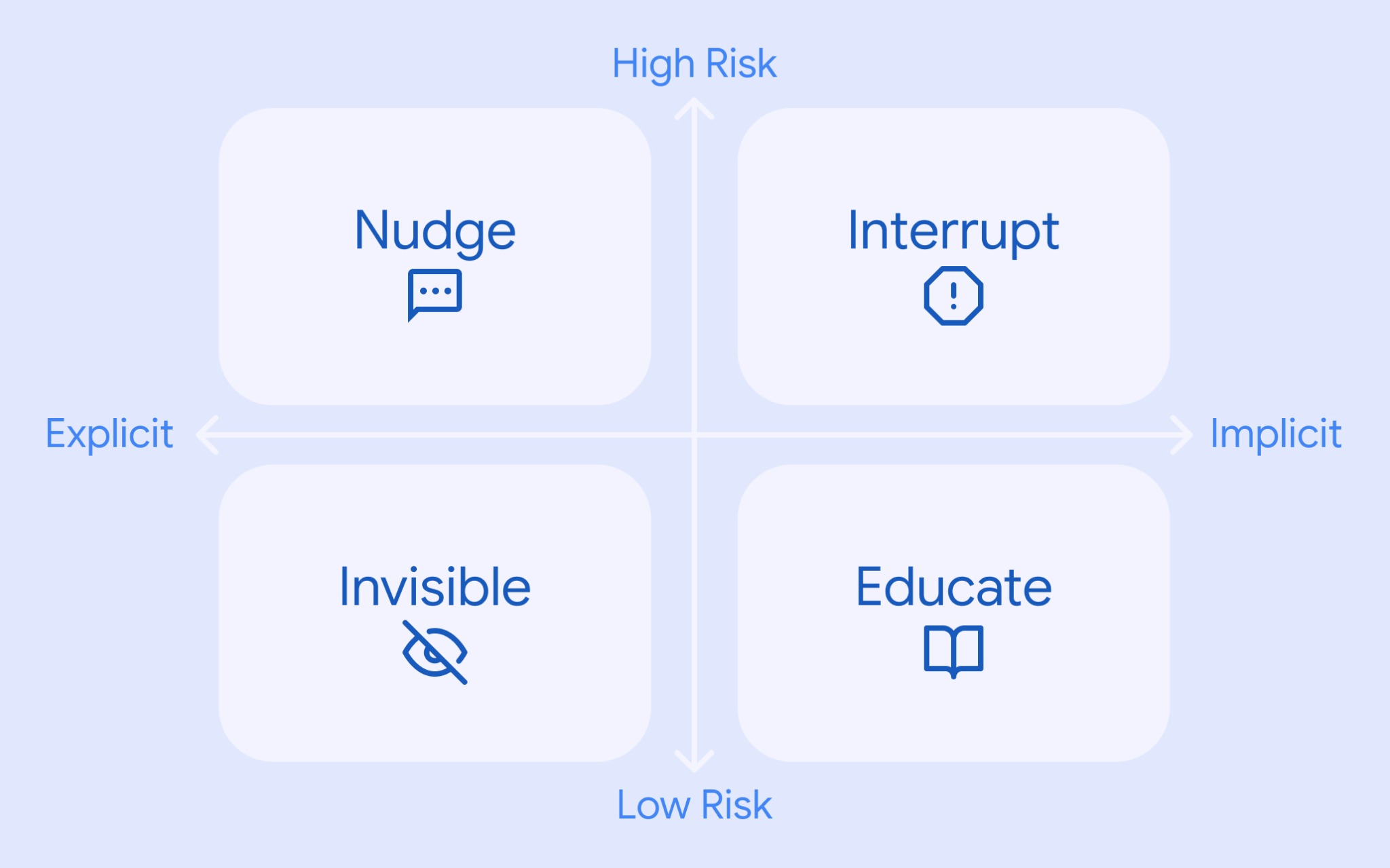
Secure AI workflows could not treat every task the same way. Some moments needed to stay lightweight and mostly behind the scenes. Others needed explicit developer action, human review, or a hard stop.
I helped map risk-calibrated control levels across the AI development lifecycle so teams could move quickly when risk was low and slow down when accountability mattered most.
Examples included background notifications, policy confirmations, reviewer checkpoints for higher-risk work, and hard stops for exceptions such as direct access to model weights.
The design challenge was making security and privacy requirements feel like part of the development path—not a separate process teams had to decode later.
Turning Lineage, Metadata, and Model Protection into Evidence
Secure AI depends on evidence that can travel with the work. Teams building models and agents needed clearer ways to understand how data, models, tools, policies, reviewers, and outputs were connected.
I helped frame lineage and metadata as product experience problems, not just technical record-keeping. Teams needed to know what changed, what evidence existed, and what reviewers needed to see before work moved forward.
Two evidence problems made this concrete. The first was lineage and metadata: helping teams understand how data, models, policies, and outputs were connected so they could evaluate risks such as sensitive data use or risky model behavior. The second was model protection: helping teams reason about signing, verification, and tamper resistance across development workflows.
Program efforts such as LIMA and MOAT gave those problems clearer shape, but the broader product opportunity was to surface context earlier, flag deviations, support risk analysis, and help reviewers understand what mattered.
Key Product and Practice Decisions
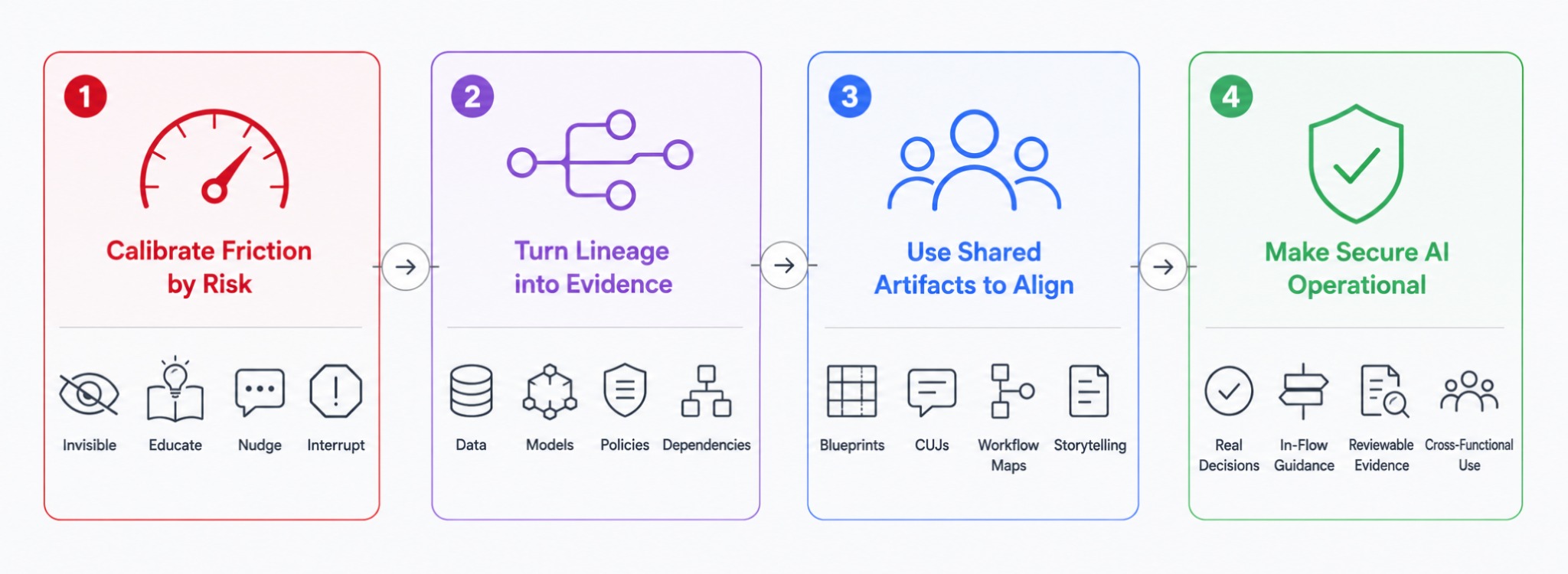
Calibrate friction by risk
Different moments needed different levels of control: background support, lightweight nudges, human review, or hard stops when accountability mattered most.
Turn lineage and metadata into usable evidence
Teams and reviewers needed structured context about data, models, policies, dependencies, changes, and risk—not generic summaries after the fact.
Use shared artifacts to align the program
Service blueprints, CUJ decks, workflow diagrams, and storytelling artifacts helped product, security, privacy, research, and program teams evaluate the same problem together.
Make secure AI operational inside the work
Secure-AI guidance becomes useful when teams can see how it applies to real development decisions—not as another framework sitting outside the workflow.
Program and Practice Impact
Program strategy and alignment
Helped translate SAIF into practical DevEx strategy by connecting secure-AI guidance to real development workflows, emerging regulatory expectations, and cross-functional roadmap priorities.
Co-facilitated workshops with executive and program leads, incorporated feedback into program deliverables, and helped steer UX and cross-functional priorities around evidence, lineage, review, and audit readiness.
Secure AI DevEx artifacts
Created and shaped service blueprints, CUJ decks, workflow diagrams, checkpoint models, evidence patterns, website assets, and storytelling artifacts for AI teams.
This work also supported adjacent AI practice groups, including Google’s Core UX AI Federation, by helping translate emerging AI development patterns into reusable guidance and shared language.
Practice influence
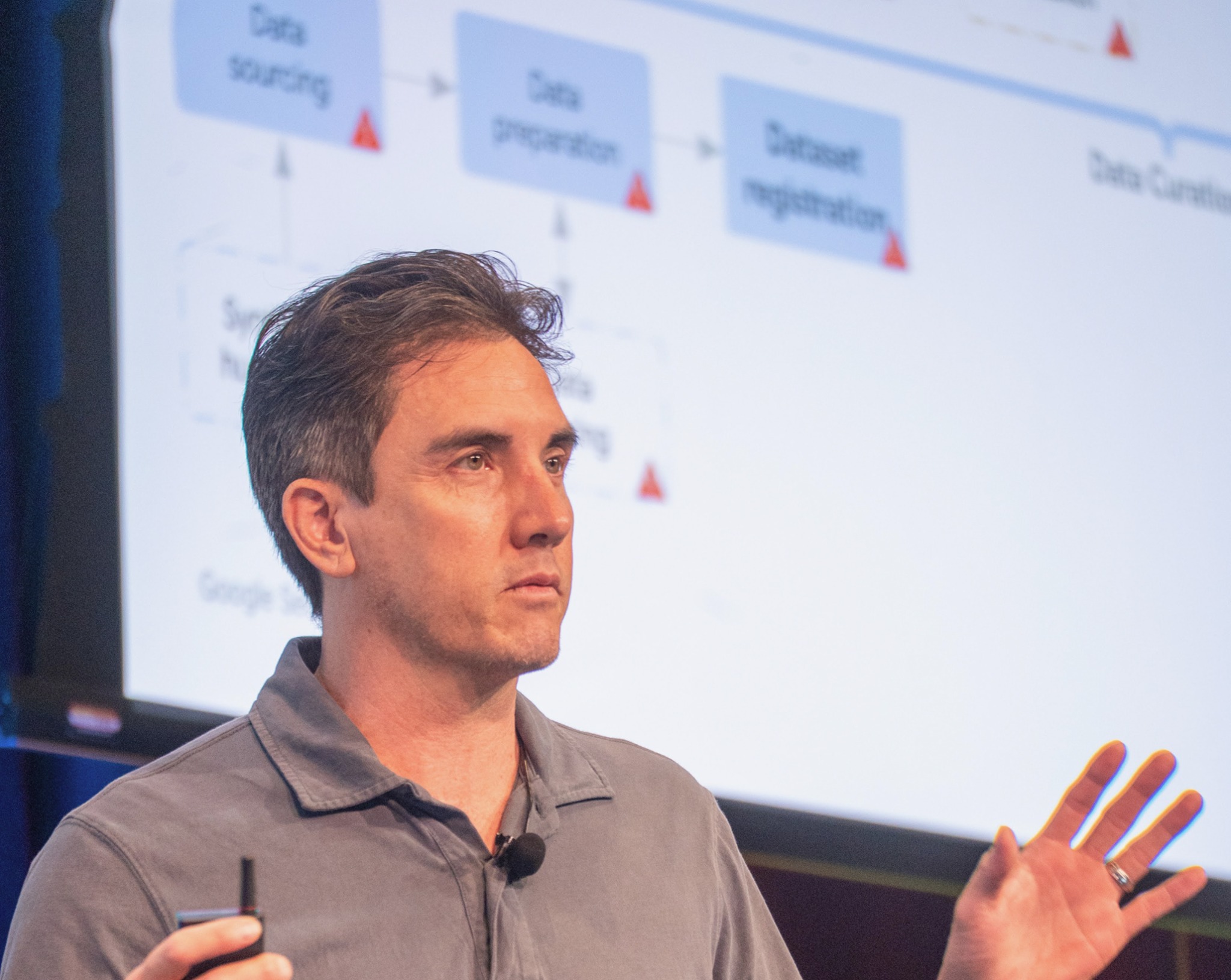
Presented secure AI DevEx strategy in a 580-person SAIF Summit talk, helping socialize the program direction and reinforce the need for usable workflows, evidence patterns, and responsible development practices.
The durable contribution was making secure-AI expectations usable inside everyday development work—connecting strategy, research, developer guidance, evidence patterns, and practice enablement into workflows teams could act on.
Reflection
This work reinforced that responsible AI needs more than principles. It needs workflow patterns that help teams understand what to do, when to do it, and how to carry evidence forward.
The most reusable shift was turning secure-AI expectations into shared artifacts—service blueprints, checkpoints, evidence patterns, and guidance that helped teams move faster without losing accountability.